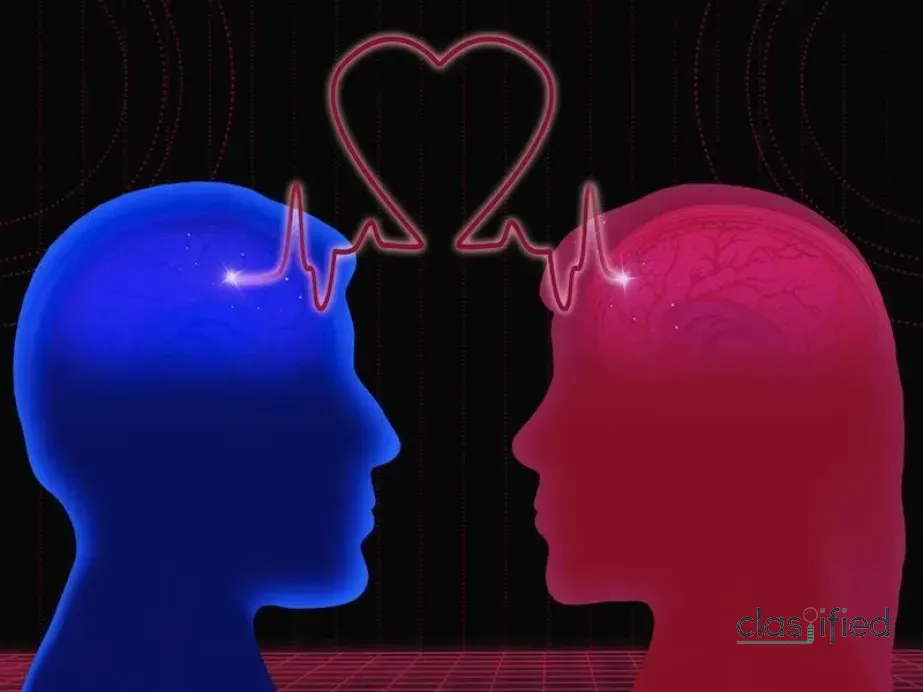
When you’re in love, your brain undergoes a series of complex neurochemical changes that affect your thoughts, emotions, and even your behavior. These changes can be broken down into three main phases: lust, attraction, and attachment—each involving different chemicals and brain regions.
Lust is driven primarily by the sex hormones testosterone and estrogen, which are present in both men and women. These hormones trigger a desire for physical intimacy and increase sexual attraction. The hypothalamus, a region of the brain responsible for hormone production, plays a central role in this stage, activating feelings of desire.
The attraction phase is where romantic love truly begins. During this stage, your brain is flooded with a cocktail of chemicals, including:
Dopamine: Known as the "feel-good" chemical, dopamine is released in large amounts during the attraction phase, creating feelings of euphoria, increased energy, and a desire to focus entirely on the person you love. This is why falling in love can feel so exhilarating.
Norepinephrine: Also known as noradrenaline, this chemical increases alertness, heart rate, and can even cause physical symptoms like sweating and a racing heart. It is the chemical behind the "butterflies in the stomach" sensation.
Serotonin: In early stages of love, serotonin levels actually drop, which is linked to obsessive thoughts about the person you love. This is why new lovers often can't stop thinking about each other.
These chemicals primarily affect the brain’s reward system, especially the ventral tegmental area (VTA) and the caudate nucleus. These areas are responsible for pleasure and motivation, which explains why you feel a constant urge to be around your partner.
As the relationship matures, the brain shifts from the intensity of attraction to a more stable, comforting bond. This is driven by:
Oxytocin: Often called the "love hormone" or "cuddle hormone," oxytocin is released during physical touch, such as hugging, kissing, or sexual intimacy. It fosters a sense of trust and deepens emotional connection.
Vasopressin: This hormone is associated with long-term commitment and bonding. It reinforces feelings of security and attachment, making partners feel more connected over time.
These chemicals are released in the limbic system, which is responsible for emotion and memory. The transition from passionate attraction to calm attachment is a natural process, and it helps partners maintain a strong, enduring bond.
Interestingly, being in love also causes observable changes in brain structure and function:
Enhanced Empathy: Love can increase activity in brain areas related to empathy and compassion, making you more understanding and patient with your partner.
Reduced Critical Thinking: The prefrontal cortex, responsible for judgment and critical thinking, becomes less active when you’re in love. This is why you may overlook your partner’s flaws.
Improved Mood and Resilience: The consistent release of dopamine and oxytocin enhances overall mood, reducing stress and increasing your capacity to cope with life’s challenges.
From an evolutionary perspective, the complex neurochemical experience of love is a survival mechanism. Lust ensures the continuation of the species, attraction helps you focus on a suitable mate, and attachment fosters long-term bonding, which is crucial for raising offspring together. Looking for a Love Problem Specialist in the USA? Get expert advice on love, relationships, marriage, and breakups. Resolve conflicts and restore happiness. Consult now.
In summary, being in love is not just an emotional experience—it's a powerful biochemical process that impacts your brain and body. Would you like me to explain how heartbreak impacts the brain as well?